



Reduce Food Waste to Fight Climate Change
Join the fight against food waste!
Together, we can make a HUGE impact!

REDUCE:
Make wise shopping choices to save both money and the environment.

REUSE:
Be inventive with leftovers — turn scraps into soups or smoothies.

RECYCLE:
Separate your food scraps for composting and renewable energy collection.

RETHINK:
Manage food thoughtfully and plan your meals. Consider donating excess edible food to people in need.
What Organic Waste Must Be Recycled?
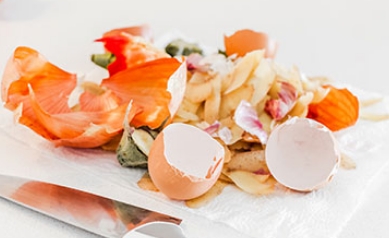
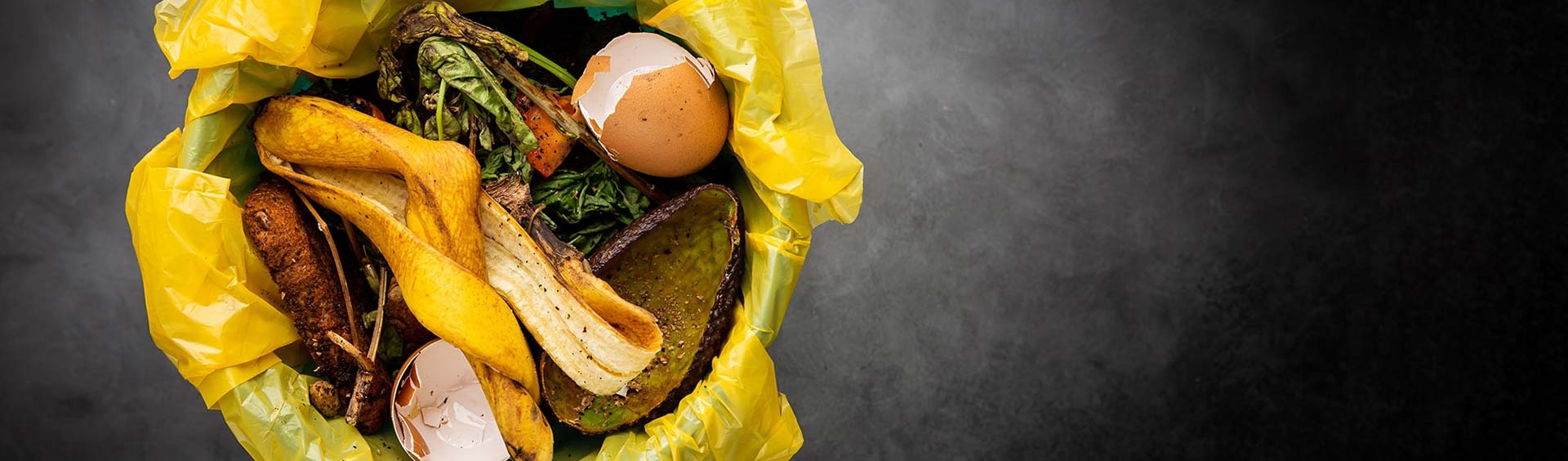
FOOD SCRAPS
Meats, dairy products (no liquids), fruits, vegetables, spoiled food, breads, leftovers, eggshells, nutshells, seafood, bones, coffee grounds, and tea bags.
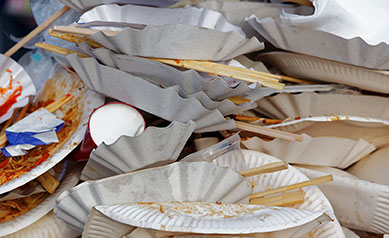
FOOD-SOILED PAPER
Paper towels, napkins, non-shiny paper plates, paper cups, paper grocery bags with food scraps, greasy pizza boxes, and coffee filters.
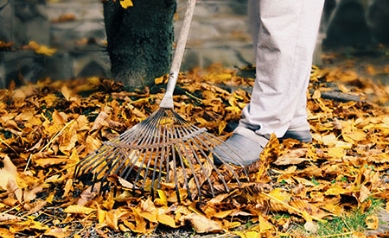
YARD TRIMMINGS & LANDSCAPE MATERIALS
Grass clippings, leaves, weeds, pine needles, flowers, plant trimmings, small amounts of sod, and branches less than 3 inches in diameter.
SENATE BILL (SB) 1383
A new California State Law Senate Bill (SB) 1383 aims to keep food and other compostable materials known as organic waste out of landfills to reduce greenhouse gas emissions that contribute to climate change.
The Los Angeles County Board of Supervisors adopted the Mandatory Organic Waste Disposal Reduction Ordinance that requires all residents and businesses to subscribe to organic waste collection services. The separate collection of organic waste helps to divert it from entering landfills where it would decompose, release methane gas, and pollute the air impacting the climate.
How to Comply: For Businesses | For Residents
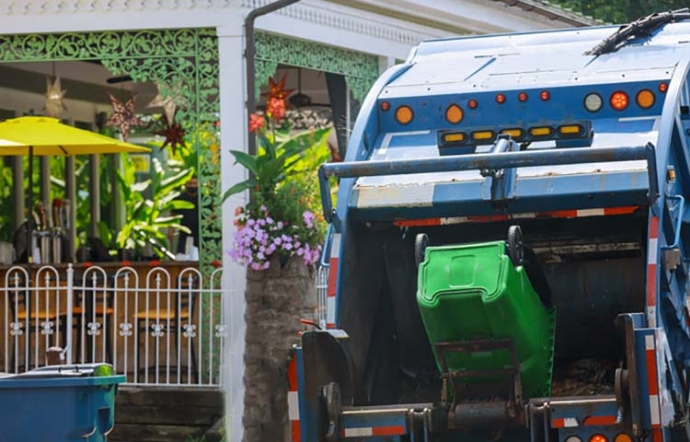
Why Recycle Organic Waste?
Reduce
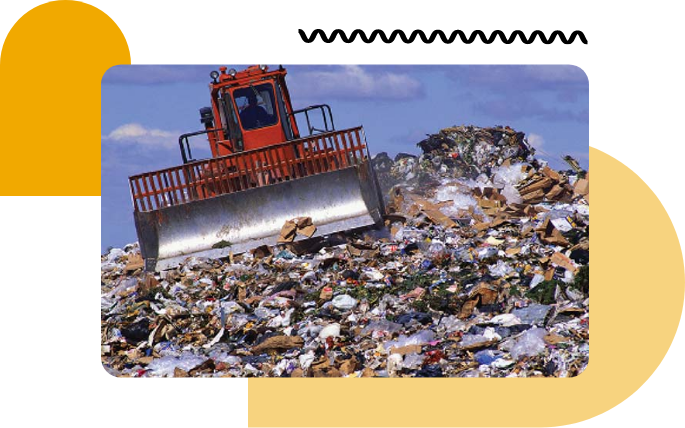
THE RELEASE OF METHANE GAS
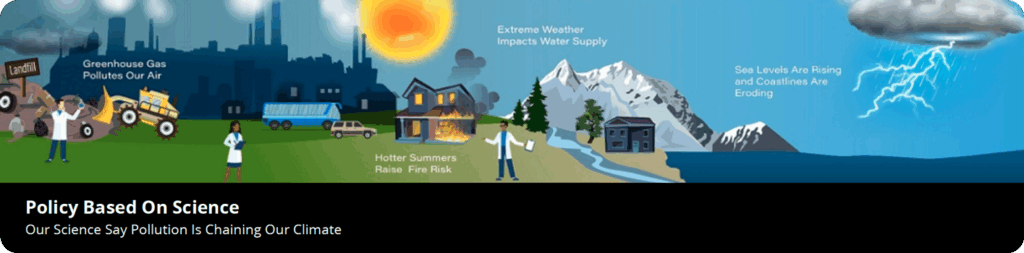
When organic waste is buried in a landfill and decomposes, it releases methane, a greenhouse gas that pollutes the air and contributes to climate change.
Reduce
EXTREME WEATHER
Climate change can look like extreme changes to weather, such as more frequent and intense heat waves, large storms, drought, more frequent or larger wildfires, and insect outbreaks.

Create
USEFUL PRODUCTS
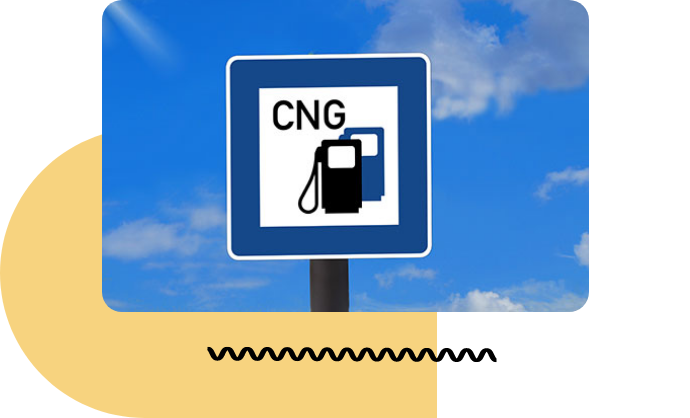
When organic waste is collected separately from trash, it can be processed to create useful products such as compost, renewable electricity, and transportation fuel without releasing methane into the air.
Provide
EDIBLE FOOD TO LOS ANGELES FAMILIES IN NEED
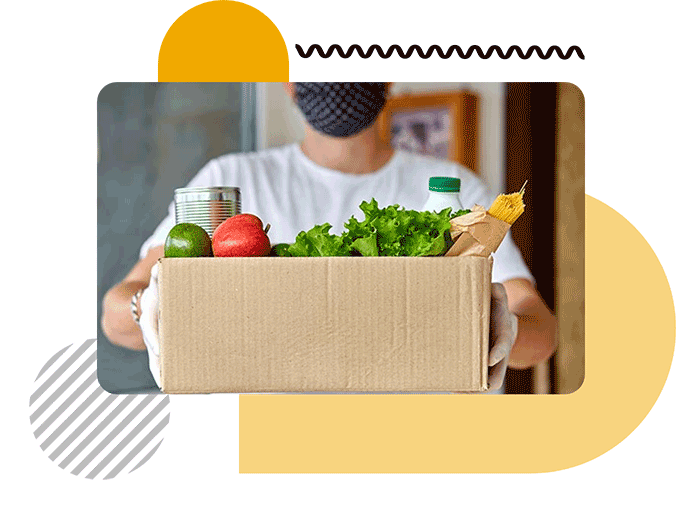
Food service providers such as food distributors, restaurants, or grocery stores, are in the unique position to recover excess edible food that is safe to consume and donate it to local food recovery organizations that serve Los Angeles families in need.
Organic Waste Reduction Targets
SB 1383 establishes the following targets to reduce emissions:
75%
Reduction in statewide organic waste disposal by 2025 (from 2014 baseline)
20%
Rescue at least 20% of currently disposed edible food for human consumption