


Our Services
The Los Angeles County Sewer Maintenance District, which is administered by the Los Angeles County of Public Works (PW), comprises the Consolidated Sewer Maintenance District and the Marina del Rey Sewer Maintenance District. Together, the District system serves more than one-half of a million parcels and a population of over 2 million people within the unincorporated areas of the County, 37 cities, and three contract cities.
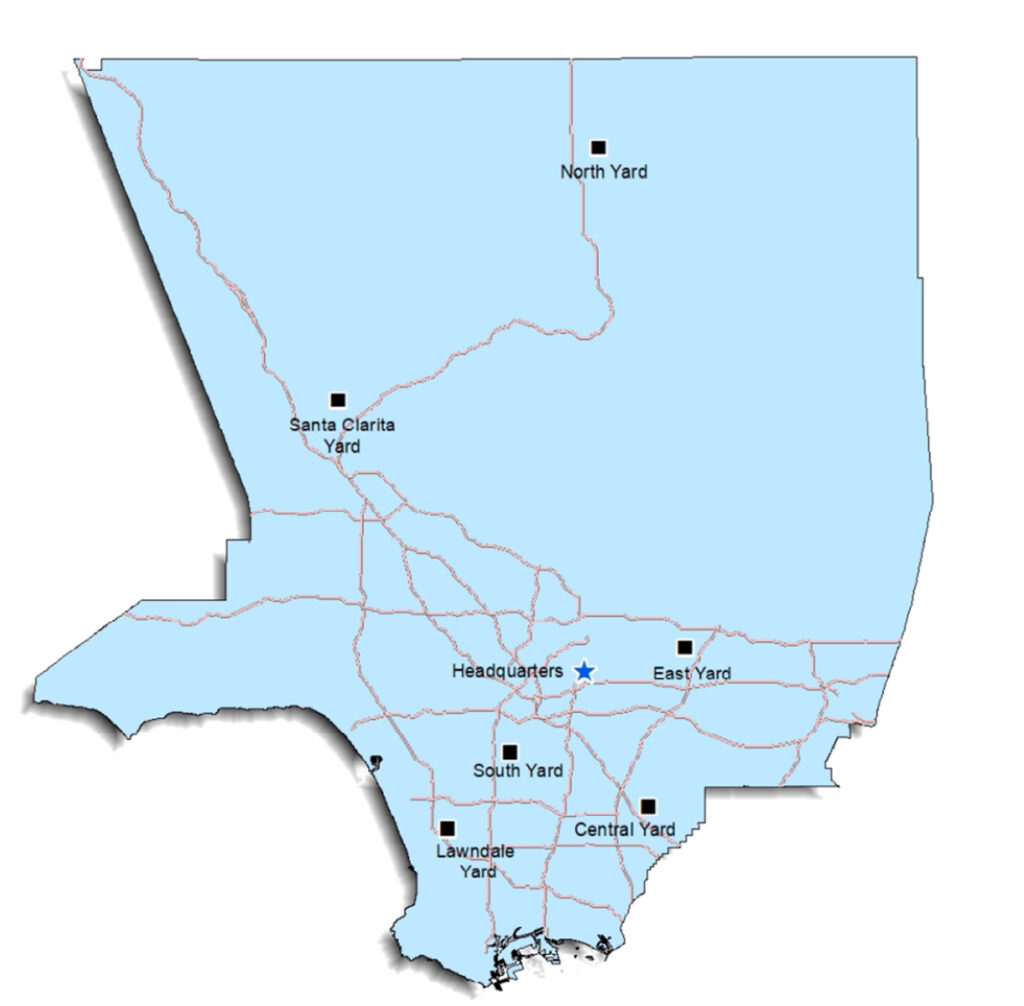
The District system includes over 4,600 miles of sanitary sewers, 88 pump stations, and four wastewater treatment plants. PW also provides basic maintenance for 71 sewage pump stations outside the District system. Six maintenance yards located throughout the County of Los Angeles provide sewer maintenance services. These services include routine sewer mainline cleaning, closed-circuit television assessment of sewer mainline condition, emergency repair of existing sewer infrastructure within the District, and sewer overflow response, containment, and stoppage removal.
Field Operations
The Field Operations include the combined efforts of the office and field staff as they work together to clean, repair, and rehabilitate the sewer lines in the Consolidated Sewer Maintenance District. We have six yards located throughout Los Angeles County.
| East Yard 2849 South Myrtle Ave Irwindale, 91707 Phone: (626) 446-5227 Fax: (626) 445-1254 | Central Yard 12015 Shoemaker Ave Santa Fe Springs, 90670 Phone: (562) 941-7011 Fax: (562) 946-0860 |
| North Yard 45712 North Division St Lancaster, 93534 Phone: (661) 942-6042 Fax: (661) 949-6250 | Santa Clarita Yard 21190 Centre Pointe Pkwy Santa Clarita, 91350 Phone: (661) 222-2569 Fax: (661) 255-3425 |
| South Yard 1129 East 59th St Los Angeles, 90001 Phone: (323) 233-3330 Fax: (323) 235-4709 | Lawndale Yard 4055 Marine Ave Lawndale, CA 90260 Phone: (310) 679-2550 |
Office Operations
The Office Operations group comprises a combination of different units/teams that manage the budgets, assess sewer service charges, process mapping and annexation of new sewer lines, procure and purchase equipment, conduct plan checks, provide waste discharge compliance service, etc.
The Budget Team
The Budget Unit is responsible for preparing and managing approximately $43.8M annual budget and conducting the necessary studies of short term and long range needs for the Sewer Maintenance Districts and 11 Special Zones.
Procurement Team
This unit is responsible for processing of purchase orders for equipment and supplies and for approving invoices, and processing of utility bills for the numerous Districts facilities for payment.
Waste Discharge Compliance Team
This team is responsible for the Divisions’ State General Waste Discharge Requirements (WDR’s) compliance activities including, Sewer System Management Plan (SSMP) development, monitoring, and updating, and for Sanitary Sewer Overflows reporting and certification. The team is the liaison between the Department and the 42 cities currently served by the Districts on WDR related issues. The team also provides Data Submitting and Legally Responsible Official (LRO) services to all the cities in the District.
Condition Assessment Team
Another part of the Engineering System is the Accumulative Capital Outlay (ACO)/Condition Assessment Unit.
The ACO Program fund was established in 1987 as a mechanism to pay for sewer pipe replacements, relief sewer construction, and major improvements to sewage pumping stations. The objectives of the fund are to establish a charge to be collected from each parcel of real property in the Consolidated Sewer Maintenance District and utilize these monies for sewer line repair and rehabilitation projects. Under this Program, a majority of the pipelines built with Portland cement concrete, which have deteriorated from sewage contact in its 50+ years lifetime, have been replaced with more durable vitrified clay material and/or have been protected by an impenetrable lining material. This lining minimizes the effects of invasive root intrusions and prevents stormwater or groundwater infiltration which compromises the capacity of the lines. These preventative measures will ensure a reduction of sewage overflows in your community. Since its inception, 93 miles of sewer lines have been rehabilitated or reconstructed as part of the ACO Program.
Condition Assessment Unit is responsible for using closed-circuit television to inspect the internal condition and structural integrity of the sewer pipeline. Approximately 500 miles of the sewer collection system will be videotaped each year. To ensure that video quality and inspection data are collected thoroughly and consistently, we utilize nationwide standards developed by the National Association of Sewer Service Companies (NASSCO). Upon completion of the televised inspection, engineering
Mapping and Annexation Team
This unit uses CAD and GIS software to maintain and generate operational maps of over 5,000 miles of sanitary sewers maintained by field crews. The unit also oversees the annexation of new parcels to the Sewer Maintenance Districts. The unit has initiated the digital scanning of existing sewer design drawings for storage in the Department’s Document Management System.
Direct Assessment Team
This unit is responsible for monitoring sewer service charges and preparing and submitting annual reports to the Board of Supervisors for over 500,000 parcels of property which are assessed annual service charges. The total annual revenues generated for the maintenance of the Districts and Zones are in excess of $40 million.
Plan Check Team
Sewer Plan Check Unit is responsible for the review of gravity sanitary sewer and pump station plans and specifications prepared and submitted by professional engineers and consultants for projects in the 42 cities within the Sewer Maintenance Districts. This unit is also responsible for conducting special investigations and reviewing environmental impact reports for projects within the County. Second Unit is responsible for determining if sewer facilities in the area are adequate to meet the demand of the second unit and all other properties served by the same facilities.
Operations Team
The operations unit is given the direst sewer findings from the condition assessment unit, field personnel, and CSMD cities to coordinate for repair. Through our as-needed emergency contract, an emergency repair or lining contractor is chosen to bypass and fix sewers in response times as quickly as a few hours. Our office staff in this section locates as-builts, reviews CCTV, meets on-site, and contacts residents, cities, and sister agencies to ensure smooth and seamless repairs of sewers in need. They cover any urgent sewer repairs from small mainlines in residential backyards to 900-foot-long siphons under rivers.
Asset Management Team
Our unit specializes in overseeing the entire lifecycle of our Division’s asset improvement initiatives, from initial programming and planning through post-construction phases. Our primary mission is to ensure timely, within-scope, and budget-conscious delivery, maintaining high standards and reliable outcomes for the CSMD facilities and assets we manage.
Condition Assessment Program
The Closed-Circuit Television (CCTV) program is the first step in determining the integrity of Los Angeles County’s sewer system and protecting Los Angeles County ratepayers’ quality of life by eliminating Sanitary Sewer Overflows. CCTV inspections and rate the structural integrity and maintenance condition of approximately 500 miles of sewer infrastructure each year.
Program Details
Over a 10 year cycle, the County of Los Angeles will inspect every foot of the sanitary sewer system and where necessary repair or replace broken or deteriorated sections of the sanitary sewers. This project is an integral part of the County’s comprehensive efforts to comply with all federal and state regulations.
The successful completion of the CCTV Inspections will benefit Los Angeles County’s citizens and ratepayers throughout the region by reducing sanitary sewer overflows, improving system maintenance and replacement or repair of deteriorated sewer lines as well as providing the infrastructure necessary to ensure continuous uninterrupted sanitary sewer service.
The CCTV program is the first step in determining the integrity of Los Angeles County’s sewer system and protecting Los Angeles County rate payers quality of life by eliminating Sanitary Sewer Overflows (SSOs). Through the efforts of CCTV Program, approximately 4,600 miles of sanitary sewers will be inspected for cracks, collapses, and blockages. After extensive investigation and documentation of defects is completed in each phase, a rehabilitation plan is developed, identifying necessary sewer repairs and replacement. In severe situations, immediate repairs are made.
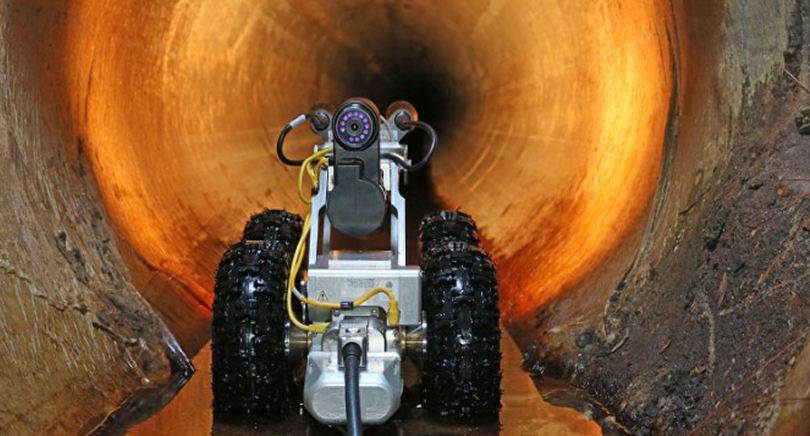
CCTV CCTV (closed circuit television) technology will be used to perform the sewer inspection. This technology uses a television camera mounted on a robotic crawler that is connected to a video monitor, a digital video recorder and other recording devices. The robotic system is placed directly into the sewer through a manhole. Once inside the sewer line, the robotic crawler and camera can be operated by remote control located inside a truck. The operator can examine the entire length of sewer line between two manholes. The cameras pan and tilt capabilities allow the operator to move the camera in all directions, to obtain a through picture of the entire sewer line.
The CCTV system relays live footage from within the sewer to a high-resolution monitor in a mobile survey unit. The footage is also recorded digitally. Since the operator has full control of the robotic system, if a defect is detected, the operator can stop the camera and investigate the defect in more detail. With the cameras pan and tilt capabilities, service connections can also be located and documented. An electronic footage counter is connected to the camera, enabling the operator to note the exact location of problems. The operator records structural and service conditions as the live footage is viewed, documenting all defects and noting the general condition of the sewer section.
Once the digital recordings are turned into the office, they are reviewed by engineering staff to verify existing conditions and meet quality assurance standards. The sewer sections are given a grade from 1 to 5, with 5 representing the most severe conditions (e.g., a sewer on the verge of total collapse). The digital recordings are then transferred to a server for long term storage and easy retrieval.
Benefits of CCTV
CONDITION ASSESSMENT PROGRAM QUICK FACTS:
- Completed 1,300 miles of CCTV Inspection
- Produced 1,900 maintenance work orders
- Performed 70 emergency repairs totaling over $2.0 Million
- Scheduled 67,000 linear feet of lining rehibilitation projects
- Sanitary Sewer Overflows reduced by 65%

Since the inception of the Condition Assessment Program in 2005, CSMD has made considerable strides in reducing the number of Sanitary Sewer Overflows (SSO’s), thereby enhancing the service to our customers. The following are some of the benefits realized from our Condition Assessment Program.
Increased service to the community:
- Enhancement of public health and safety
- Lessen impact on the environment
Reductions in:
- Emergency overtime costs
- Service requests
- Claims
Increased productivity
Extended life expectancy of CSMD equipment and the collection system
Treatment & Pump Plant Operations
Los Angeles County Public Works maintains 159 sewage pump stations throughout the County, with 87 of those within the Consolidated Sewer Maintenance District (CSMD) and one within the Marina Sewer Maintenance District (MSMD). PW also operates and maintains three small wastewater treatment plants in the Malibu area and one treatment plant at Lake Hughes in the North County area.
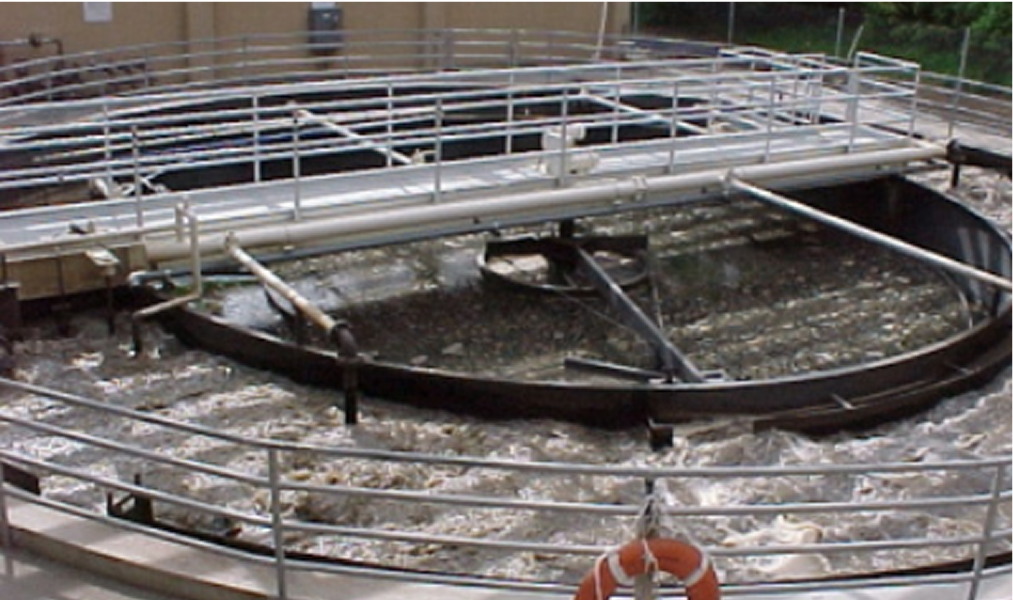
The Malibu Mesa Wastewater Reclamation Plant
A tertiary wastewater treatment plant, this plant’s capacity is 200,000 gallons per day (gpd) of domestic wastewater. Treatment processes include comminution, activated sludge biological treatment, secondary clarification, coagulation/flocculation, sand filtration, and ultraviolet disinfection. The reclaimed water is used for onsite irrigation on plant grounds or sent to Pepperdine University’s two lake reservoirs for storage and landscape irrigation on campus. The waste sludge is hauled in tanker trucks to the City of Los Angeles-owned Tillman Water Reclamation Plant for treatment and disposal.
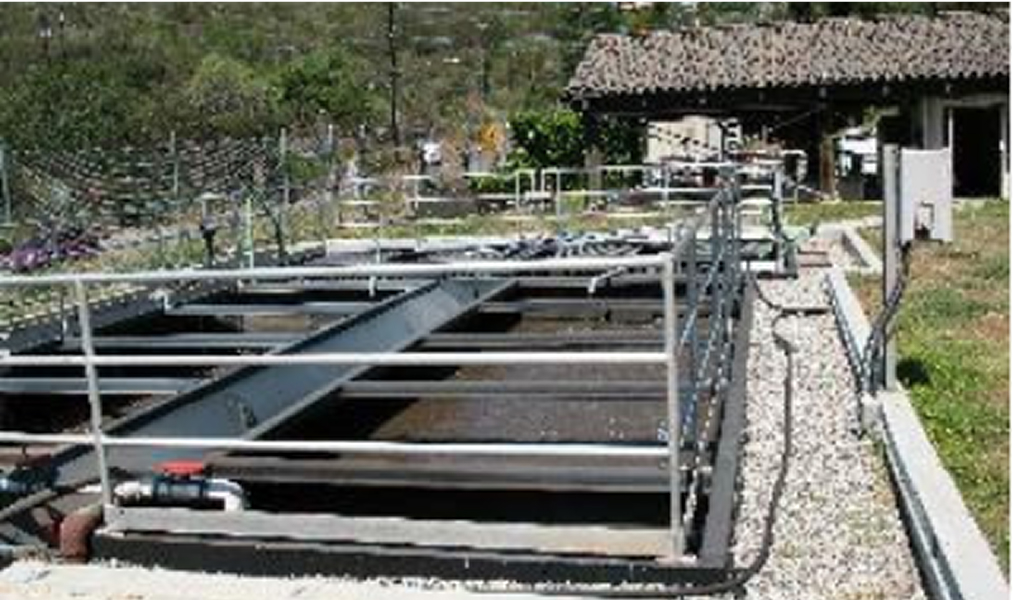
The Malibu Water Pollution Control Plant
A secondary wastewater treatment facility, this plant’s capacity is 51,000 gallons per day (gpd) of domestic wastewater. Treatment processes include comminution, extended aeration biological treatment, secondary clarification, sand filtration, and chlorine disinfection. The treated wastewater is discharged into seepage pits for disposal. The waste sludge is hauled in tanker trucks to the City of Los Angeles-owned Tillman Water Reclamation Plant for treatment and disposal.
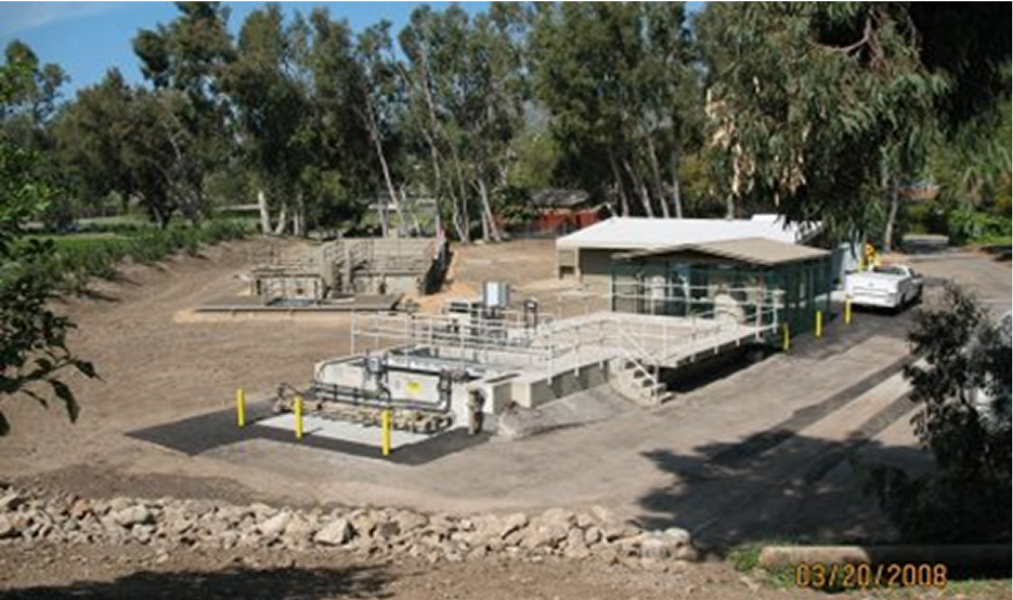
The Trancas Water Pollution Control Plant
A secondary wastewater treatment facility, this plant’s capacity is 220,000 gallons per day (gpd) of domestic wastewater. Treatment processes include comminution, extended aeration biological treatment with an anoxic zone for denitrification, secondary clarification, sand filtration, and chlorine disinfection. The treated wastewater is discharged into leach fields for disposal. The waste sludge is hauled in tanker trucks to the City of Los Angeles-owned Tillman Water Reclamation Plant for treatment and disposal.

The Lake Hughes Community Wastewater Treatment Facility
This plant provides secondary treatment. The treatment facility’s capacity is 93,000 gallons per day (gpd) of domestic wastewater. Treatment processes include comminution, extended aeration biological treatment using an oxidation ditch, secondary clarification, and chlorination. The facility provides nitrification/denitrification by cycling brush aerators on and off to provide aerobic/anoxic conditions for nitrifying/denitrifying microorganisms. The treated wastewater is used for irrigation over an on-site disposal area. Waste-activated sludge is gravity-fed to three drying beds on-site. After drying, the biosolids (dried sludge) are removed from the beds and used as soil amendments on the plant grounds.